5 Things to Consider When Consolidating Your Debt

If you’re creating a plan to get out of debt, you may want to consider consolidation of your loans. Why take out yet another loan? The answer, of course, depends on your personal financial situation. But for many people in debt, consolidation offers them an easier way to keep track of what they owe and pay it down. In addition, a debt consolidation loan may have a lower rate of interest than the various loans that you now owe.


find out how to reduce your debt and save money

photo credit: James Barker


What is debt consolidation?

Debt consolidation is simply taking out a single loan large enough to pay off all of your smaller loans. Most people use debt consolidation as a way to lump together their credit card balances, utility bills, and student loans, amongst other types of debt. But not all of your debt can be covered this way; most times, your mortgage can’t be included in your debt consolidation loan.

Which debt consolidation method is best for me?

There are several ways to consolidate your debt. The method you choose will depend on your specific financial goals. However, the average consumer may be able to choose between:

  • A credit card balance transfer. Many consumers opt to open a new credit card with a promotional interest-free period so that they can then transfer their debts to that card. This option works best if your total debt amount is within the credit limit. If you are able to pay the debt before the promotional period ends, this can be one of the most cost-effective ways to handle debt. But beware; after the interest-free period ends, you may be stuck with a higher rate than you currently have.


  • A debt consolidation loan. This is more specifically designed for the purpose of paying off debt. If you choose this method, you could lower the total amount of interest you pay on your debts as well as free up some monthly income that you need for necessities. However, it is important to do your research and make sure you are getting a loan for the lowest interest rate available to you. And don’t forget to make extra payments when you can to chip away at the loan balance!


  • A home equity loan. If you are a homeowner, you can actually tap into the equity that you have in that home to receive a line of credit that you can then use to pay off other debts. The primary advantage of this method is that mortgages usually have lower interest rates than other kinds of loans, and you can find the best ones with a top mortgage calculator.

No matter which method you choose, consolidation can be an effective tool for getting your back on the path to financial success. Remember, researching your options and tailoring a plan to fit your credit history is the best way to predict your financial future.


Paul Simpson the author of this article is specialist mortgage calculator with Ratesupermarket, Canada’s largest mortgage rate provider.

Want to learn more about how to reduce your debt?

Why People Use Credit Cards

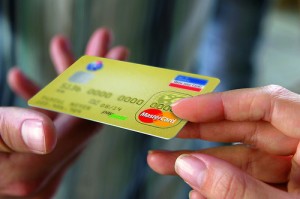
Credit cards have become a regular part of life for most people, so if you’re considering getting a credit card it’s important to understand why people apply for credit cards, how they use them and what you can do if you are struggling to repay what you owe.

In order to obtain a credit card you must make a formal application and go through an approval process with the card provider. The lender will assess your credit history, income and ability to repay debt before coming to a decision on your application. However, being approved does not mean you won’t find yourself struggling to repay the debt if you don’t manage your use of the card or if your circumstances change.


photo credit: http://farm7.staticflickr.com/6075/6049038958_aa356d61a9.jpg


When Things Go Wrong

If you do find that you have overspent and are struggling to meet your financial commitments it’s imperative that you don’t stick your head in the sand, which may lead to expensive charges and visits from debt collectors. Instead, contact your creditor to make them aware of your situation and work with them to develop a solution such as reduced payments.

If your lender is not willing to be flexible, seek advice from an experienced debt adviser such as an IVA-expert who can explain your options and even contact your creditors on your behalf. Websites such as iva-expert.co.uk contain a wealth of information on the help that’s available and the eligibility criteria.


Types of Credit Cards

There are various types of cards available and each card will have its own application criteria and terms of use. There are cards on the market that offer reduced interest rates for specific users such as students, offer rewards such as cash back or vouchers, or provide 0% interest periods for balance transfers. So when making your application consider what type of card may be best for you.

All cards will charge some form of interest or fees, so shop around and use online calculators to ensure you can afford the interest and repayments before using your credit card.


Benefits of Using Credit Cards

Credit cards offer a convenient way of buying almost anything without the need to carry cash or wire money half way around the world. They can be used to snap up a bargain that you can’t afford to buy at the time, but that may not be on sale when you get your next paycheque. They are also increasingly used as a way to make ends meet or pay for unexpected bills such as car repairs during months when money is tight.

People often feel safer carrying a credit card in their wallet rather than large sums of cash as if your wallet gets lost or stolen you can cancel your cards, which could prevent you from being out of pocket.

Having at least one credit card often offers peace of mind to people who feel reassured that if an emergency arises such as an unexpected veterinary bill they can take action right away to resolve the issue rather than having to wait until when they can afford it, which can sometimes be too late.

Additionally, using credit cards for purchases allows you to build your credit history even if you repay the balance in full each month. A strong credit history will give you more options and access to better deals when you want to obtain credit for a large item such as a new car or home.


This post was written by Jamie Knop a blogger from the UK on behalf of IVA-expert.


Want to spend less money at Christmas?